
The transformation of gambling a historical journey through time
Origins of Gambling in Ancient Civilizations
The history of gambling traces back to ancient civilizations, where it emerged as a popular pastime across various cultures. The earliest evidence of gambling can be found in ancient Chinese texts and artifacts, dating back to around 2300 BC. These early games involved simple betting practices and the use of rudimentary dice made from animal bones. As societies evolved, so did gambling, becoming intertwined with religious and social rituals that reflected the values and beliefs of the time. Today, platforms like https://reelsoncasinos.com/ further illustrate how cultural views on gambling have changed over time.

In ancient Rome, gambling reached new heights, with citizens placing bets on gladiatorial contests and chariot races. This era highlighted a growing acceptance of gambling as a legitimate form of entertainment. The Roman Empire even established laws regulating gambling activities, demonstrating that the practice had a significant cultural impact. As societies expanded through trade and exploration, gambling spread to different regions, adapting to local customs and practices.
Similarly, in ancient India, games like Pachisi were played, which involved elements of chance and strategy. These games were not only recreational but also served as a means of social bonding among communities. The integration of gambling into social life established its significance, paving the way for its evolution into more structured forms, such as casinos and betting houses in later centuries.
The Middle Ages: Gambling and Society
During the Middle Ages, gambling underwent significant changes, influenced by the feudal system and the rise of monarchies. This period saw the introduction of card games, which became immensely popular across Europe. The deck of cards is believed to have originated in China before making its way to Europe, where it was adapted into various games. Gambling houses emerged in cities, catering to the growing demand for such entertainment among the nobility and commoners alike.
As the Catholic Church gained influence, it began to condemn gambling, associating it with immorality and vice. Despite these restrictions, gambling continued to thrive underground. It became a symbol of rebellion against the stringent social norms imposed by religious authorities. The tension between societal pressures and personal freedom created a rich tapestry of gambling culture, with secretive gatherings and clandestine betting activities becoming commonplace.
The Middle Ages also saw the birth of lotteries as a means of raising funds for public projects. Governments began organizing these lotteries, which allowed citizens to participate in games of chance while contributing to community welfare. This marked a pivotal moment in the evolution of gambling, transitioning it from a purely recreational activity to an essential part of civic life and funding mechanisms in various regions.
The Rise of Modern Gambling in the 19th Century
The 19th century heralded a revolution in gambling, characterized by the establishment of formal casinos and the legalization of various gambling forms. In Europe, the first official casino opened its doors in Venice in 1638, paving the way for similar establishments across the continent. By the 1800s, cities like Monte Carlo became synonymous with opulent gambling halls, attracting wealthy patrons eager to test their luck.
In the United States, the Gold Rush led to a surge in gambling activities, particularly in boomtowns. The concept of the Wild West became intertwined with poker games, saloons, and betting on horse races. This era also saw the introduction of sports betting, which became a significant part of American gambling culture. The innovations in gambling during this period set the groundwork for future developments, as new games and betting options emerged to cater to the public’s appetite for risk and excitement.
The emergence of gambling as a popular leisure activity was further accelerated by technological advancements, including the invention of the slot machine in the late 19th century. These machines revolutionized how people engaged with gambling, offering an easily accessible way to participate in games of chance. By the end of the 19th century, gambling had solidified its position as a key component of entertainment, appealing to a broad audience and becoming deeply embedded in cultural practices worldwide.
The Digital Age: Online Gambling Revolution
The late 20th century marked the dawn of the digital age, bringing about a seismic shift in the gambling landscape. The advent of the internet allowed traditional gambling establishments to transition into online platforms, making games accessible to a global audience. Online casinos began to emerge in the mid-1990s, offering users the convenience of playing from the comfort of their homes. This transformation opened up new avenues for the gambling industry, breaking geographical barriers and expanding the market exponentially.
Today, online gambling encompasses a wide range of offerings, including slots, poker, and sports betting. The ability to access live dealer games and participate in real-time betting has enhanced the experience for players. Moreover, advancements in technology, such as mobile gaming and virtual reality, are reshaping how people engage with gambling. Users can now experience the thrill of betting and playing in immersive environments, further blurring the lines between reality and virtual spaces.
The online gambling industry’s growth has prompted regulatory challenges, as governments grapple with issues surrounding responsible gambling and consumer protection. However, the rise of reputable online casinos has also led to increased transparency and security for players. The ongoing evolution of gambling continues to reflect societal changes, technological advancements, and the ever-present allure of chance and risk.
The Future of Gambling: Trends and Innovations
As we look to the future, the gambling industry is poised for continuous transformation driven by innovation and changing consumer preferences. One significant trend is the increasing integration of artificial intelligence and data analytics, which allows operators to tailor experiences to individual players. Personalized recommendations and customized promotions are becoming common, enhancing user engagement and satisfaction.
Moreover, the rise of cryptocurrency in online gambling is reshaping the financial aspects of betting. Cryptocurrencies offer anonymity, lower transaction fees, and faster processing times, making them attractive options for players. This shift indicates a growing acceptance of alternative payment methods, which could redefine how gambling transactions are conducted in the future.
Furthermore, the focus on responsible gambling practices is expected to intensify, with operators implementing more robust measures to promote safe play. Education and awareness campaigns will likely become standard, helping players make informed choices. As the gambling industry evolves, it will continue to balance innovation with social responsibility, ensuring a sustainable future for all stakeholders.
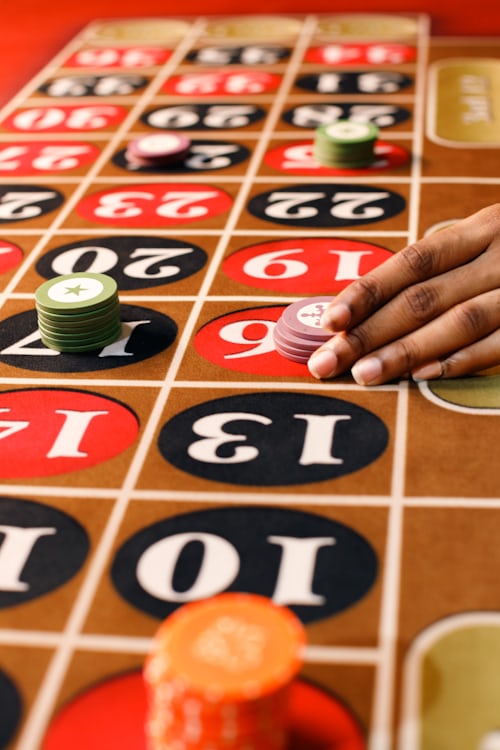
Experience the Thrill at Reelson Casino
For those looking to immerse themselves in the excitement of modern gambling, Reelson Casino offers an engaging online experience. With a wide variety of casino games and a comprehensive sportsbook, players can enjoy everything from popular slots to live dealer games. The user-friendly interface enhances gameplay, making it easy for both new and experienced players to navigate the platform.
The generous welcome bonuses and ongoing promotions create an enticing environment, ensuring that users feel appreciated and valued. Reelson Casino prioritizes security and customer support, providing peace of mind for players as they explore the vast array of gaming options available. Whether you are a casual player or a seasoned gambler, Reelson Casino caters to every preference.
As gambling continues to evolve, platforms like Reelson Casino exemplify the future of online gaming. With its commitment to innovation and user experience, it serves as a destination for those eager to enjoy the thrill of gambling in a safe and responsible manner, embracing the exciting journey of this historical pastime.