
The Influence of Color in Casino Spaces
Colors play a crucial role in the psychology of casino design, as they evoke emotions and influence the behavior of players. Research suggests that certain colors can create feelings of excitement, calm, or even urgency. For instance, vibrant colors like red and gold are frequently used in casinos to stimulate the senses and encourage spending, especially when players seek options with a casino fast withdrawal feature that enhances their gaming experience. Red is known for its association with warmth and energy, drawing players toward gaming machines, while gold indicates luxury and wealth, reinforcing the notion that fortune is at hand.
Moreover, the strategic use of color can help to guide players through the casino layout. Designers often utilize contrasting colors to delineate different gaming areas, making it easier for patrons to navigate through the maze-like environment. The colors used in signage and carpeting can subtly lead players to tables and machines, creating an immersive experience that feels welcoming yet thrilling. These design choices align with psychological principles of spatial awareness and attraction, enhancing the overall atmosphere.
In addition to physical spaces, the color palette of promotional materials and branding also reflects the casino’s intent to create certain moods. This can include everything from advertisements to social media posts designed to capture attention through bold colors and captivating designs. The integration of color theory into casino design is a multifaceted approach that combines art and psychology to enhance player interaction and engagement.
The Role of Lighting in Creating Ambiance
Lighting is another critical element in casino design that influences player behavior and mood. Casinos often use a combination of ambient, accent, and task lighting to create a dynamic environment that feels both inviting and exhilarating. Dim lighting in specific areas can create an intimate atmosphere, encouraging players to lose track of time and focus on the games. This design strategy leverages the psychological concept of immersion, where players become so absorbed that they forget their surroundings.
Accent lighting is used creatively to highlight particular games or promotions. Spotlights on slot machines or poker tables can draw attention and make them appear more enticing. Furthermore, the innovative use of colored LED lights can set the tone of the space, changing to match the energy of the venue throughout the day or during special events. This approach not only enhances the aesthetic appeal but also stimulates excitement and encourages extended play.
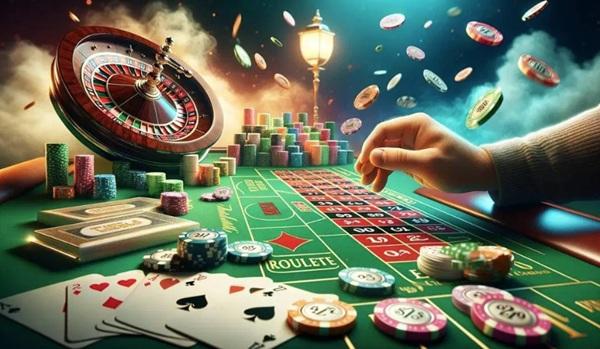
The psychological impact of lighting extends beyond mere aesthetics; it can also influence the way players perceive time and money. Research indicates that well-designed lighting can obscure the passage of time, leading to longer gaming sessions. By manipulating light levels and colors, casinos create an environment where players feel more engaged, often resulting in spending more time and money than they initially intended.
Soundscapes and Their Impact on Player Experience
Sound design in casinos is a crucial yet often overlooked element that significantly impacts player behavior. The auditory experience, from the clinking of coins to the upbeat music playing in the background, is carefully crafted to enhance the gaming atmosphere. Research has shown that specific sound frequencies and rhythms can induce excitement and encourage players to keep betting. The sound of a winning machine, for instance, can trigger a rush of dopamine, reinforcing the desire to continue playing.
Additionally, the volume and tempo of background music are tailored to maintain a specific energy level. Upbeat music can create an exhilarating environment, while softer tones can promote relaxation during high-stakes games. This balance of sounds can help to shape how players interact with the gaming environment, as it can lead to a cycle of continuous engagement and spending. Soundscapes are not merely background noise; they are integral to creating an immersive experience that engages all senses.
Interestingly, the auditory experience extends beyond the gaming areas into restaurants and lounges within the casino. Music choices in dining establishments are optimized to encourage longer stays and higher spending, complementing the overall casino strategy. By considering sound as an essential part of casino design, operators can effectively shape player experiences and enhance the likelihood of repeat visits.
The Layout and Flow of the Casino Floor
The physical layout of a casino is meticulously designed to maximize player flow and encourage exploration. Casinos often employ a maze-like layout, drawing players deeper into the establishment. This design strategy plays on the psychology of curiosity and the innate human desire to explore. By creating a winding path through various gaming areas, casinos can compel players to engage with different games, often leading to higher spending over time.

The placement of high-stakes games and popular slot machines is also crucial in influencing player behavior. These machines are typically located in high-traffic areas where they catch the eye of passersby. The use of circular arrangements around a central bar or entertainment area fosters a sense of community and social interaction among players. This casual mingling can enhance the casino experience, making it more enjoyable and likely to encourage longer gaming sessions.
Additionally, the strategic placement of amenities like restrooms, bars, and restaurants helps to keep players within the casino longer. By ensuring that players do not have to leave the gaming floor for basic needs, casinos manage to maintain player engagement and foster an environment of continuous play. The layout of a casino is a carefully orchestrated design that combines flow, accessibility, and engagement to optimize the gaming experience.
Understanding Casino Design Through Online Platforms
As the casino landscape evolves, online platforms have begun to emulate successful design elements found in physical locations. The virtual experience aims to replicate the immersive atmosphere of land-based casinos, using graphics, animations, and soundscapes to engage players. This evolution reflects a deep understanding of consumer psychology, as online casinos strive to create environments that mirror the excitement and thrill of traditional gaming.
Color schemes, layouts, and sound elements in online casinos are crafted to evoke similar emotions as their physical counterparts. Online platforms often utilize vibrant visuals and engaging soundtracks to enhance the player’s experience and encourage longer play sessions. By drawing on principles of casino design, these digital platforms can create captivating environments that resonate with players and invite them to return.
The adaptability of online casinos allows them to innovate and refine designs based on user behavior and preferences continually. Tracking player engagement and feedback helps online casinos adjust their offerings, ensuring a tailored experience that meets the evolving demands of players. Understanding the psychology behind casino design, both online and offline, enables operators to create compelling gaming environments that keep players engaged and satisfied.